
Glove-on-hand consulting
The firm you hired is staffed for this.
Is your side?
On a Workday overhaul or an HR data architecture build, the integrator fields a hundred people with hands on keys while your HR team keeps its day jobs. Ikona Analytics is your client-side representative: senior practitioners who guide the program, own the requirements, and build the HR case while it runs.

The problem
An asymmetry problem, not a talent problem
01
The firm building it writes the requirements
Whoever scopes what the system must do is also paid to build it. No bad faith required; the incentive runs one way, and the requirements HR cares about most quietly miss the cut.
02
Your five best people, doing two jobs
A program this size needs your most senior HR operators in design sessions all week. They are also running payroll, closing the quarter, and answering the board. So they skim the design documents and approve decisions they never had time to read.
03
Decisions default to the template
Every integrator brings a reference configuration, and it is good starting material. What it cannot carry is your organizational context layer: how the work actually runs, which exceptions are load-bearing, what your data has to answer. Without that layer, the template becomes the decision, and two years later nobody remembers making those choices.
Why HR needs a context layer04
The case has to exist before the program does
No approved business case, no funded program, and no integrator on site. Building one takes structured interviews, process detail, and cost evidence nobody has spare hours to gather, so the case waits. Every quarter it waits is a quarter the current system keeps costing you.
The cost of waitingThe model
What glove-on-hand means
None of this is the integrator's fault. They are staffed to build; you are staffed to run the company. Glove-on-hand closes that gap: for the length of the program, Ikona sits on your side of the table as your client-side representative, pairing off with the firm doing the building, owning what the system is required to do, and keeping every decision with you. A glove takes the shape of the hand inside it. Your organization sets the direction; we give you the grip to handle a program this size.
Pair off with every workstream
The integrator staffs a lead for data, payroll, talent, and reporting. We pair off with each one: a senior practitioner in the sessions your team cannot cover, asking the questions your side would ask if it had the hours.
Own the requirements
Requirements gathering is the core of the work. Ikona runs the structured interviews, writes the requirements the builders build to, and drives the program from a strategy and requirements standpoint, so the builders never get ahead of the business.
Keep the decisions yours
Design trade-offs arrive framed in configuration language. We translate them into HR and CFO language, put the options in front of the person accountable, and log what was decided and why. The decision record stays with you.
Build the case as the program runs
The evidence for the business case is loudest while the program is live. We capture it as it surfaces instead of reconstructing it a year later: continuity from discovery all the way through to completeness, run by an extension of your HR team.
Proof
What changes when your side is staffed
<30
Days to first answers, even mid-flight
3-4
Senior practitioners, not thirty generalists
Fortune 100
Amazon, JPMorgan Chase, Google, Meta, Nike, and Expedia
4-6
Engagements per quarter, founding partner led
Who sits on your side of the table
Three founders. Named, and in the room.
The person in your first requirements session is the person still there at go-live. No rotation between the discovery and the design decisions, and no learning your domain on your dime. Every founder has held the role your team is trying to staff, running these functions at Amazon, JPMorgan Chase, Google, Meta, Nike, and Expedia.
Behind the three: senior people analytics and HR technology specialists, plus the domain experts Ikona brings in when a specific problem calls for them.
Ask who would be on your program
Ian O'Keefe
Co-founder and CEO
Former head of people analytics at Amazon (1M+ employees), JPMorgan Chase, and Google. 20+ years building enterprise analytics functions at scale.
Owns the reporting line: what the system has to produce, settled before anyone configures what feeds it.

Bennet Voorhees
Co-founder and CTO
Former machine learning product leader at Amazon and Expedia. Leads Ikona’s platform and the knowledge store infrastructure that makes the methodology run at scale.
Owns the architecture read: reviews the integrator's data design the way the integrator does, and catches what would otherwise resurface as rework.

Richard Rosenow
Co-founder and CPO
Built people analytics at Meta, Uber, Nike, and Argo AI, then served as VP of People Analytics Strategy at One Model. HR Tech 100 honoree.
Owns requirements definition, and translates configuration trade-offs into terms a CHRO and a CFO can decide on.
What you walk away with
The integrator leaves at go-live. Your knowledge asset doesn't.
Requirements, decisions, and process maps are structured as they arrive, and the evidence base outlasts the program. Direct access for your team is available as a subscription. Six months after one engagement closed, the client generated three new business cases in a single afternoon, without Ikona in the room.

Capture
- Requirements sessions with the process owners who will live with the configuration
- Structured one-to-one interviews across HR, payroll, IT, and the business units in scope
- Design-session capture: what was proposed, what was traded away, and what the risk was
- Current-state process detail and workarounds, recorded before the new system erases the evidence
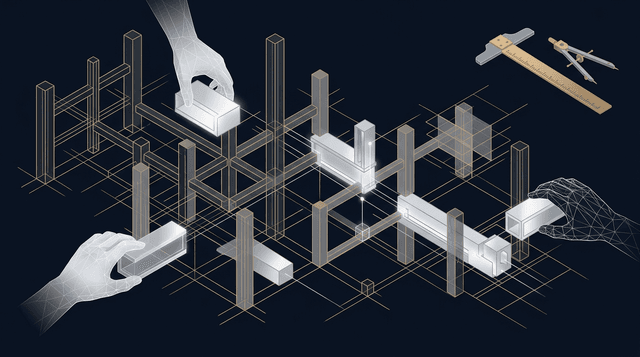
Structure
- A requirements corpus in business language, traceable to the person who raised each line
- A decision log with rationale attached, so "why is it built this way" always has an answer
- Process maps for every flow the program touches, kept current as the design moves
- One structured evidence base instead of a shared drive nobody can search
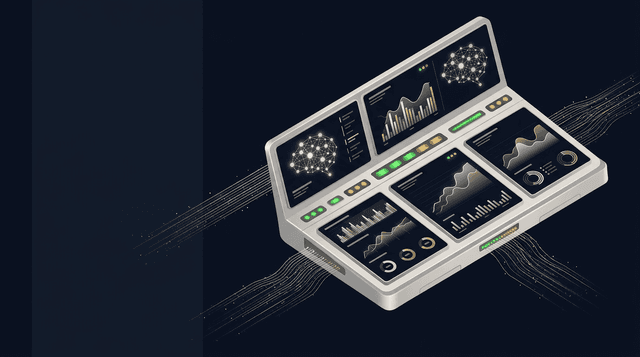
Activate
- The HR case: what changes for the function, what it costs, and what it returns
- A CFO-ready business case built from your own evidence rather than a benchmark
- Decision memos for the choices that need a signature from outside the program
- Answers to questions nobody scoped, months after the integrator has rolled off
Five places a client-side representative changes the outcome
Some start before a contract is signed; some are already in flight. In all five, someone else owns the build and you still own the outcome.
HCM overhaul or migration
A human capital management (HCM) program underway or about to start on Workday, Oracle, SAP, or SuccessFactors. We pair off with the integrator and hold the requirements line through go-live.
HR data architecture and AI platform builds
Someone is building the pipelines, the warehouse, or the assistant. We define what your people data has to answer before the schema hardens around a guess.
HR shared-services transitions with an external partner
A partner is standing up or absorbing your service-delivery model. We document how the work actually runs today, so the target model is designed against reality.
Platform selection, before the program starts
The buyer's guide. We run the requirements work first, so the shortlist is scored against your needs and the firm you pick inherits a written baseline on day one.
Vendor-led implementations
Your HR technology vendor is running its own implementation. Ikona becomes the extension of your HR team, so their configuration lands against your requirements.
How this fits
It starts the way every Ikona engagement starts
Every glove-on-hand engagement opens with structured capture of how your organization actually works, using the same instrument behind the Ikona Systems Diagnostic (ISD). Most start with ISD Lite: four weeks, roughly 20 interviews, one domain. That becomes the requirements baseline, so you never pay for the same discovery twice.
The knowledge base then does double duty: it powers the intelligence modules, so the HCM business case is generated from your own evidence instead of a template, and it keeps answering questions long after go-live, when the design rationale would otherwise live in a former consultant's memory.
For implementation partners
We do not compete for the implementation. We make it land. A prepared client, with requirements written down and decisions made on time, is how your delivery succeeds. One term is fixed: Ikona contracts with the client, never with the firm. That independence is the point, and it is what makes referring us safe.
Consulting and system integration firms
Two referrals come up most: audit-conflicted engagements where you cannot put hands on the keyboard, and programs you would rather not staff thin. Ikona drives requirements and real-time design validation on the client side, so your builders build it once. When your client asks who should sit on their side, that is the referral this model is built for.
HR technology vendors
Your implementations move faster when the client can answer your questions. Ikona is the extension of the client's HR team during your rollout: requirements, current-state detail, decisions made on your timeline. We recommend what is right for the client, which is what makes it credible when the right answer is your platform.
What buyers ask first
Plain answers, including the ones about your consulting firm and your program management office.
Client-side representation means an independent senior team, hired by the client rather than the integrator, that guides a major HR program from the client's side of the table. It is the owner's representative model from construction and capital projects, applied to HCM implementations and HR data programs; buyers also search for it as client-side advisory. Ikona is a vendor-neutral discovery layer working glove-on-hand with you as you engage your implementation partner: we own the requirements, keep the decision log, and build the HR case.
More people from the firm building the system are still on the firm's side of the table: the requirements they write become the scope they deliver against. Independence is the product here. Ikona is paid by you, reports to you, and has no build revenue riding on which way a decision goes. And who shows up is different: three to four senior practitioners who have held the roles, not thirty generalists.
No. Your program management office (PMO) runs the plan: schedule, budget, status, and risks. Ikona owns the content those artifacts point at: are the requirements right, did yesterday's trade-off get made by the person who has to live with it, is the business case still true. We report into your PMO, not around it, and if a program has no PMO we will say so early.
Before is better, mid-flight is more common, and both work. Selection is where the handoff problem bites: really good experts help you buy the thing, and then it is time to implement and your friend is gone. Come in first and the firm you pick inherits a written requirements baseline. Mid-flight, we start with a fast read of the decisions so far, then pair off with the open workstreams. First answers land in under 30 days either way.
Workday, Oracle, SAP, and SuccessFactors, plus the HR service-delivery tools that sit alongside them. Program types: HCM overhauls and migrations, HR data architecture and AI platform builds, shared-services transitions, platform selection, and vendor-led implementations. We are deliberately not certified configurators of any platform; our practitioners ran the HR functions that live on top of these systems at Fortune 100 scale, so we know what the configuration has to produce.
The ISD is the capture engine; glove-on-hand is a standing role that uses it. Most engagements open with ISD Lite (four weeks, roughly 20 interviews, one domain), which becomes the program's requirements baseline. The same knowledge base then powers the intelligence modules. The difference is posture: a diagnostic is a fixed scope with a delivery date, while glove-on-hand runs as long as the program does, adding to the same asset the whole time.
No. We do not bid for the implementation, staff builders, or carry configuration revenue. Firms refer this work to us: audit-conflicted engagements, and programs where the build needs an independent requirements voice to hold up. On the ground it looks like a second set of senior eyes in design sessions and one fewer round of rework. And the contract is always with you, the client, never with the firm.

Someone should be sitting on your side of the table.
Let's start before the next design session.
Tell us where the program is and who is building it. We will come back with a scoping approach in writing. No pitch deck.
We take on 4-6 enterprise engagements per quarter so a founding partner stays on the work.